


Table of Contents
Introduction to DeepOnion
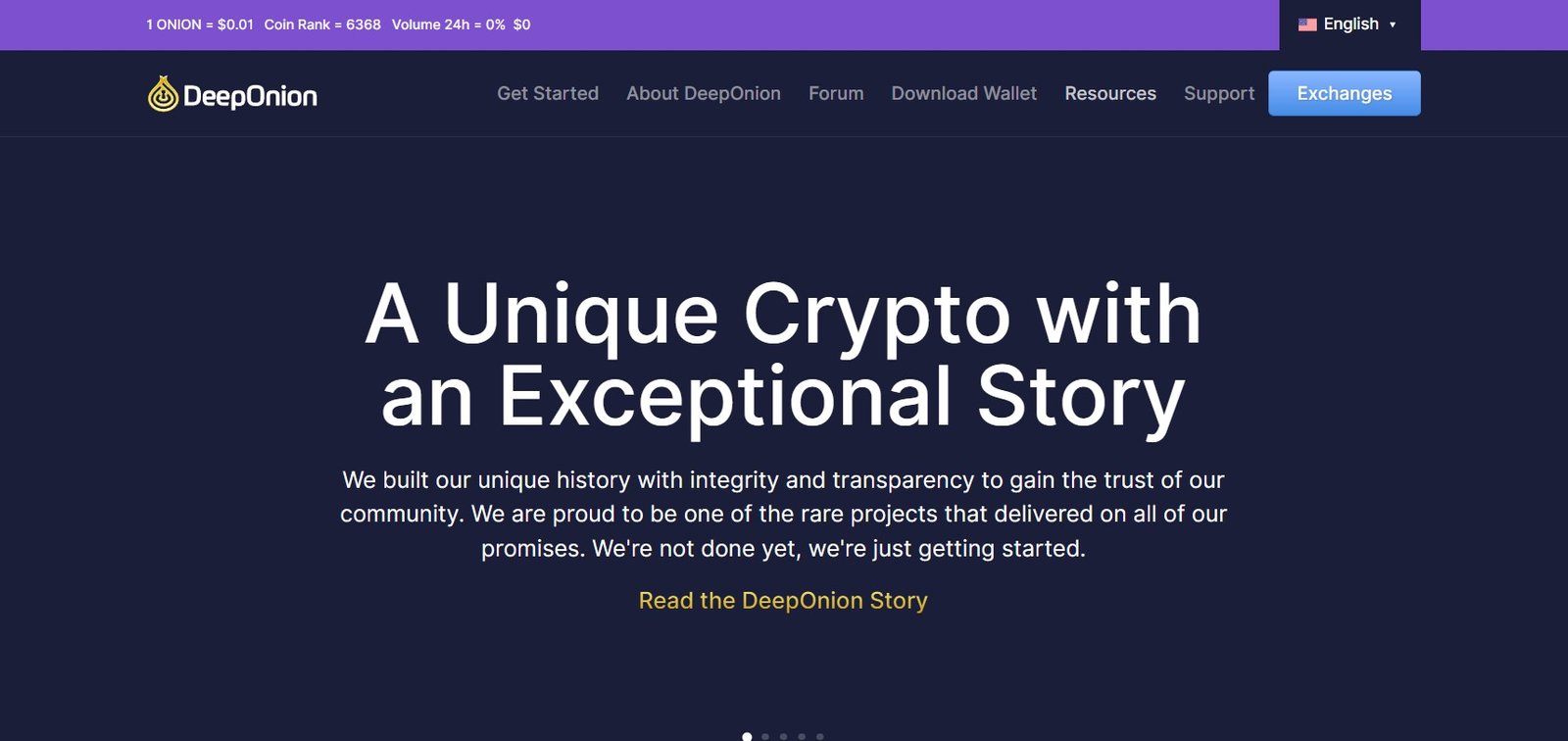
This DeepOnion review provides a detailed analysis of a cryptocurrency known for its privacy-focused technology, while also examining risks commonly associated with online scams Canada. DeepOnion promotes TOR-based anonymous transactions and enhanced security features, appealing to users who prioritize privacy. However, as online fraud Canada and financial fraud Canada continue to rise within the crypto sector, investors are increasingly questioning whether DeepOnion is a legitimate project or a high-risk asset.
This review is designed for individuals who feel they may have been misled, as well as cautious investors trying to avoid investment scams Canada. With the growing number of trading scams Canada and forex scams Canada, it is essential to carefully evaluate projects like DeepOnion before making any financial decisions. Below, we explore the key warning signs and important considerations.
DeepOnion: Regulation & Legal Status
DeepOnion operates as a decentralized cryptocurrency and is not regulated by any major financial authority. It does not hold licenses from regulators such as the DeepOnion regulatory status check with SEC, FCA, or ASIC. This means there is no governing body responsible for ensuring compliance, protecting investors, or resolving disputes.
The absence of regulatory oversight is a major concern and is frequently seen in trading platform scam Canada cases. Without accountability, projects can operate with minimal transparency, increasing the risk of financial fraud Canada. Many online scams Canada take advantage of this lack of supervision, presenting themselves as legitimate while avoiding scrutiny.
Additionally, the project’s documentation does not clearly outline any legal framework or compliance measures. This lack of clarity has been highlighted in various broker scam reviews Canada as a key warning sign for potential investors.

Trading Conditions & Platform Analysis of DeepOnion
DeepOnion is mainly traded on smaller, lesser-known cryptocurrency exchanges rather than major regulated platforms. This limited availability raises concerns about liquidity, security, and transparency—common issues in trading scams Canada and investment scams Canada.
There is also limited publicly available information regarding transaction fees, liquidity providers, or independent security audits. While the project emphasizes its TOR integration for anonymity, this feature does not guarantee safety or legitimacy. In many cases of online fraud Canada, anonymity is used to obscure operations rather than enhance security.
Before engaging with any cryptocurrency, it is important to conduct proper checks. Tools such as DeepOnion platform validation tool or DeepOnion safety analysis report can help assess credibility. These resources are commonly recommended by any reliable scam review website Canada when evaluating crypto risks.
Read Valuable Scam Information
- These are The 5 Emerging A.I Investment Scams in 2025 You MUST Know
- Panic After an Online Scam? STOP! Here’s Your Lifeline: How to Get Your Money Back & Secure Your Future
- Protecting Yourself from Fake Celebrity Scams in 2025
- Online Romance Scams: Identify Red Flags and Protect Your Finances
- The 5 Biggest Scams of 2025: AI, Crypto, Travel Frauds And More
For more information on fraudulent platforms and how to protect yourself, visit Reviewed by FraudReviews.net and explore our extensive collection of crypto scam reviews.
Reputation & User Reviews About DeepOnion
User feedback on DeepOnion is mixed. While some users appreciate its privacy features, others report challenges related to trading, liquidity, and withdrawals. Reviews on platforms like DeepOnion reviews on Trustpilot should be treated cautiously, as some may be generic or difficult to verify.
This pattern is frequently observed in broker scam reviews Canada, where fake or overly positive reviews are used to counterbalance negative feedback. In many online scams Canada, such tactics are used to build false credibility and attract new investors.
Additionally, traffic data indicates that DeepOnion’s online presence is relatively low compared to more established projects. This may suggest limited adoption or declining community engagement, both of which are potential red flags.
How to Test Whether DeepOnion Is a Scam
If you are unsure about DeepOnion’s legitimacy, consider the following steps often used to identify trading platform scam Canada and financial fraud Canada:
- Verify whether the project has any regulatory backing or recognized licenses
- Review the whitepaper, development updates, and team transparency
- Check independent forums and crypto communities for real user feedback
- Evaluate the credibility of exchanges where the coin is listed
- Examine withdrawal policies and liquidity conditions carefully
- Avoid projects promising guaranteed or risk-free returns
If you suspect involvement in online fraud Canada or any form of investment scams Canada, it is important to act immediately. You can report suspicious activity through official channels such as reporting DeepOnion-related fraud concerns.
For recovery guidance, you can read How to Get My Money Back from a Scam, which outlines practical steps victims of forex scams Canada and trading scams Canada can take.
Final Thoughts
DeepOnion’s focus on privacy may appeal to certain users, but its lack of regulation, limited exchange presence, and mixed reputation raise valid concerns. These risks are often associated with trading scams Canada and other forms of online fraud Canada.
As financial fraud Canada continues to grow, investors should prioritize due diligence and avoid making decisions based solely on marketing claims. Always verify information through a trusted scam review website Canada and focus on projects that offer transparency, accountability, and regulatory support.
Awareness is your best protection against online scams Canada. Careful research and informed decision-making can help you avoid unnecessary risks and protect your investments.