


Table of Contents
Introduction to Dock
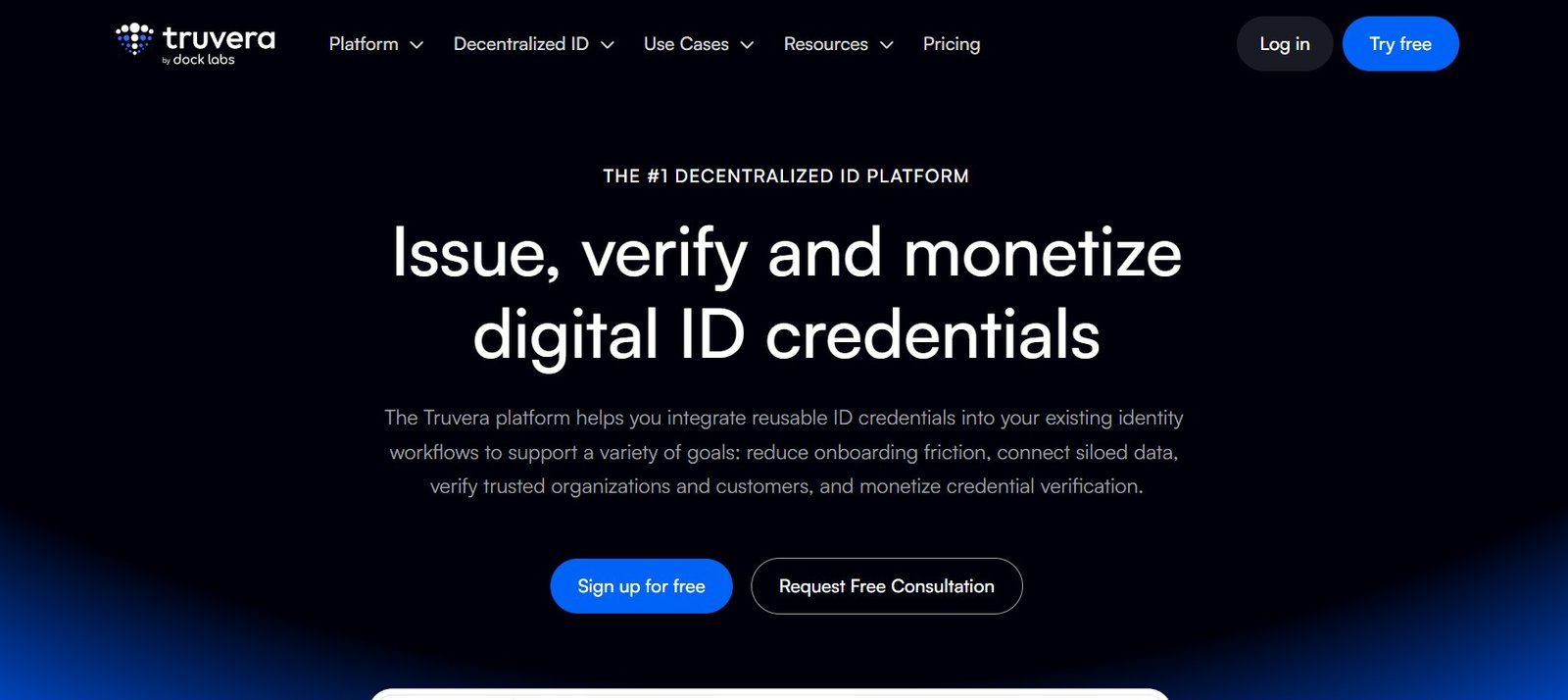
This detailed Dock review examines the blockchain project and addresses growing concerns about a potential Dock scam, particularly for Canadian investors worried about online scams Canada. Dock is a platform designed to provide decentralized identity solutions, allowing individuals and organizations to control and verify credentials securely. Headquartered in Gibraltar, Dock claims to be a leader in Web3 identity solutions. However, questions remain: is Dock a scam or a trustworthy blockchain project? This Dock review uncovers key warning signs and cautionary advice relevant to online fraud Canada and investment scams Canada.
This review is intended for two main audiences: those who suspect Dock may be misleading them before investing, and those who may have already experienced losses and are seeking clarity. Understanding these issues is crucial in a landscape where trading scams Canada and broker scam reviews Canada are increasingly reported.
Dock: Regulation & Legal Status
Dock is registered in Gibraltar, a jurisdiction known for blockchain-friendly policies but with limited international oversight. Importantly, Dock does not hold licenses from top-tier regulatory authorities such as the FCA (UK), ASIC (Australia), or the SEC (USA). This lack of regulatory alignment can be a significant red flag for investors seeking consumer protections and dispute resolution mechanisms.
Some crypto projects use vague compliance claims or suggest partnerships with regulators to create a false sense of security, a common tactic seen in trading platform scam Canada cases. If you’re unsure, it’s important to learn how to spot a scam broker before it’s too late. The absence of independent oversight raises serious concerns about whether Dock is a scam.
Trading Conditions & Platform Analysis of Dock
As a blockchain protocol rather than a traditional trading platform, Dock does not offer standard account types, leverage, or spreads. Its native token (DOCK) is listed on various exchanges, but investors should review liquidity, exchange partnerships, and withdrawal options carefully. While Dock promotes decentralization and transparency, details about third-party audits, governance, and liquidity providers are limited.

Missing audits and unclear financial partnerships increase uncertainty, and a technically innovative platform does not automatically equate to trustworthiness. Before engaging, make sure you know what to check before signing up with a trading platform. These gaps make it harder to dismiss the possibility of Dock being a financial fraud Canada concern.
Read Valuable Scam Information
- These are The 5 Emerging A.I Investment Scams in 2025 You MUST Know
- Panic After an Online Scam? STOP! Here’s Your Lifeline: How to Get Your Money Back & Secure Your Future
- Protecting Yourself from Fake Celebrity Scams in 2025
- Online Romance Scams: Identify Red Flags and Protect Your Finances
- The 5 Biggest Scams of 2025: AI, Crypto, Travel Frauds And More
For more information on fraudulent platforms and how to protect yourself, visit Reviewed by FraudReviews.net and explore our extensive collection of crypto scam reviews.
Reputation & User Reviews About Dock
Online reviews of Dock are mixed. On TrustPilot, some users praise Dock’s identity solutions, while others complain about poor support, communication issues, and difficulties trading the DOCK token. Multiple overly positive reviews appear generic, which may indicate efforts to artificially boost reputation, a warning sign in broker scam reviews Canada and forex scams Canada.
Traffic insights from platforms like SimilarWeb show moderate engagement, suggesting slower adoption or lower investor confidence, which is another indicator to watch in the context of trading scams Canada.
How to Test Whether Dock Is a Scam
To assess Dock’s legitimacy, consider the following steps:
- Verify regulation: Check for licenses or recognition from credible authorities like the FCA or SEC.
- Spot red flags: Be cautious of vague legal claims or exaggerated success promises.
- Investigate reviews: Look for authentic user feedback across independent forums and watchdog sites.
- Analyze platform quality: Poorly maintained websites or missing critical information are warning signs.
- Understand withdrawal terms: Delays or unclear withdrawal processes are a serious concern.
- Avoid guarantees: No legitimate project can offer risk-free investment returns.
For further verification, consider checking Dock on ScamDoc or other safety-check tools. If you suspect fraud, you can also report it through the FTC fraud reporting portal or follow the guide How to Get My Money Back from a Scam to recover lost funds.
Final Verdict & Alternatives
While Dock provides innovative blockchain identity solutions, its lack of top-tier regulatory oversight, mixed user feedback, and limited transparency raise significant red flags. For Canadian investors concerned with online scams Canada, investment scams Canada, and financial fraud Canada, caution is strongly advised before engaging with this project.
Safer alternatives include regulated blockchain platforms or tokens listed on licensed exchanges. Using platforms with verified oversight ensures better protection, accountability, and reduces exposure to forex scams Canada, broker scam reviews Canada, and trading platform scam Canada.
Always prioritize due diligence, verify project claims, and choose transparency and safety over hype when investing in the cryptocurrency market.