


Table of Contents
Introduction to Fiserv
This Fiserv review explores the project associated with the Fiserv cryptocurrency, analyzing whether it presents a legitimate investment opportunity or if there are red flags pointing toward a Fiserv scam. Fiserv promotes itself as an innovative solution aimed at transforming digital payments and financial services. However, many investors are left asking: is Fiserv a scam or a credible crypto project? This review uncovers all the warning signs you need to know.
Fiserv: Regulation & Legal Status
Fiserv operates in the cryptocurrency space, which remains lightly regulated in many jurisdictions. There is currently no evidence that Fiserv or its related digital products are licensed by top-tier financial regulators such as the SEC, FCA, or ASIC. While the parent company is a recognized fintech provider, its crypto initiatives appear to operate without strict regulatory oversight.
Unregulated crypto projects can expose investors to risks such as lack of dispute resolution and mismanagement of funds. These patterns are common in projects that promise high returns but fail to provide transparency. Learn how to spot a scam broker before it’s too late. The absence of clear regulation raises questions about whether Fiserv is a scam.
Trading Conditions & Platform Analysis of Fiserv
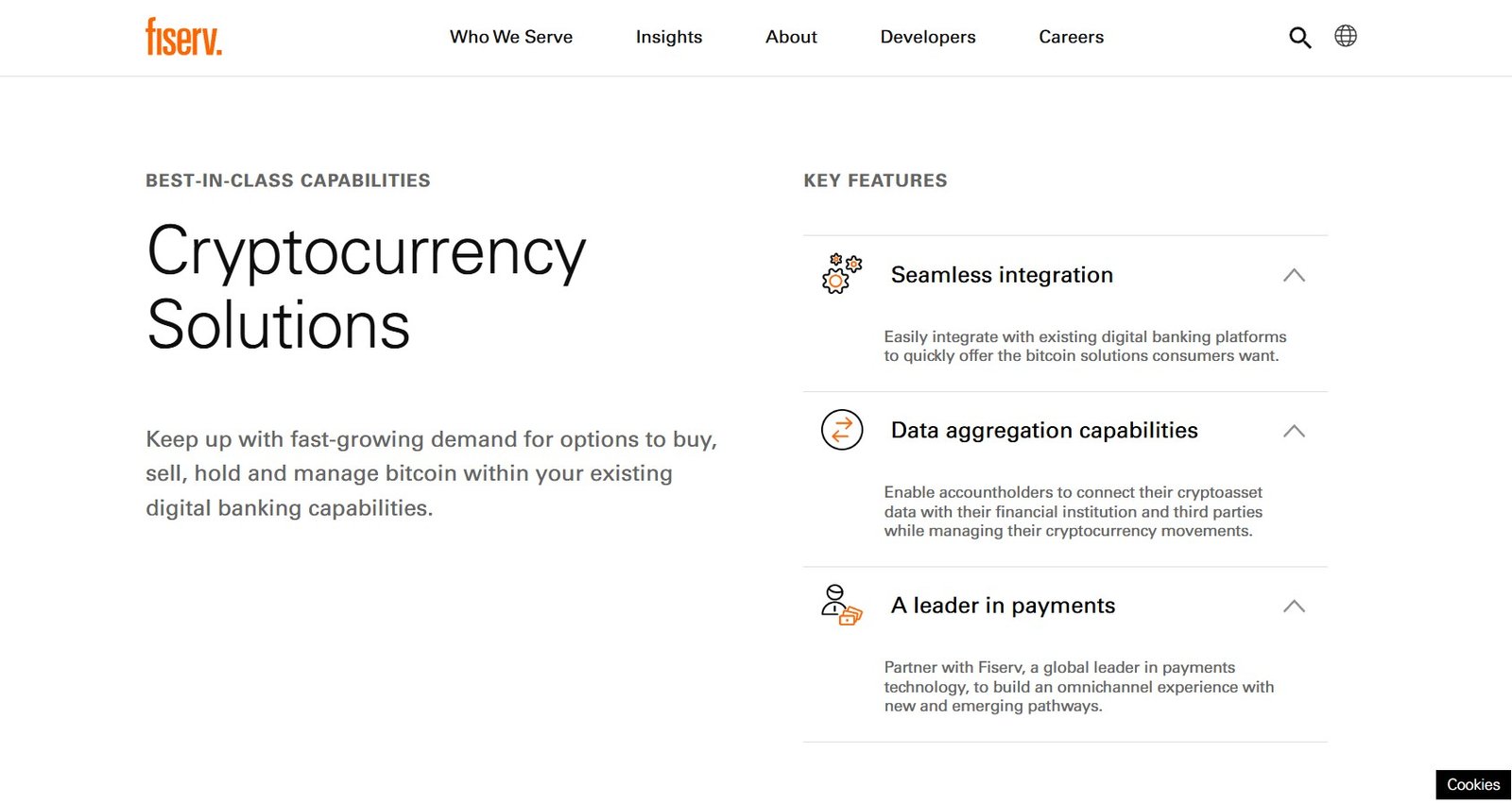
The Fiserv token is promoted as a tool for integrating blockchain technology into payment systems. However, publicly available information on its trading conditions—including minimum investment requirements, tokenomics, and supported platforms—is limited. Bold claims about revolutionary financial services integration often lack details on liquidity, real-world partnerships, and operational mechanisms.
Being associated with a reputable fintech brand does not automatically guarantee trust. What to check before signing up with a trading platform can help investors evaluate reliability. These gaps in information make it harder to dismiss concerns that Fiserv might be a fraud.

Read Valuable Scam Information
- These are The 5 Emerging A.I Investment Scams in 2025 You MUST Know
- Panic After an Online Scam? STOP! Here’s Your Lifeline: How to Get Your Money Back & Secure Your Future
- Protecting Yourself from Fake Celebrity Scams in 2025
- Online Romance Scams: Identify Red Flags and Protect Your Finances
- The 5 Biggest Scams of 2025: AI, Crypto, Travel Frauds And More
For more information on fraudulent platforms and how to protect yourself, visit Reviewed by FraudReviews.net and explore our extensive collection of crypto scam reviews.
Reputation & User Reviews About Fiserv
Reputation is critical in assessing a cryptocurrency project’s credibility. While Fiserv’s parent company is well-known, its crypto initiatives have minimal community feedback. On forums and review platforms like TrustPilot, users report mixed experiences, praising the innovative vision but citing poor communication and unclear token use.
Independent analytics from SimilarWeb indicate low engagement for platforms linked to Fiserv’s cryptocurrency, suggesting limited adoption. Some overly positive reviews appear generic, raising questions about authenticity.
How to Test Whether Fiserv Is a Scam
Before investing in Fiserv or any high-risk crypto project, follow these steps:
- Verify regulatory licenses: Check registration with authorities like SEC or FCA.
- Spot red flags: Look for vague roadmaps, unverified partnerships, or exaggerated marketing claims.
- Read independent reviews: Consult crypto forums, watchdogs, and unbiased review sites.
- Assess platform transparency: Review whitepapers, technical documentation, and operational disclosures.
- Check withdrawal policies: Unclear terms or crypto-only withdrawals may indicate risk.
- Avoid promises of guaranteed returns: Legitimate projects never guarantee profits without risk.
Final Verdict & Alternatives
Although Fiserv is a recognized leader in fintech, its cryptocurrency initiatives carry significant uncertainties. Lack of regulatory oversight, minimal transparency, and limited user feedback present multiple red flags for cautious investors.
For safer alternatives, consider regulated cryptocurrency platforms or projects backed by transparent governance and established financial entities. Always conduct thorough research and verify operational credibility before committing funds to any digital asset.