


Table of Contents
Introduction to Revolut
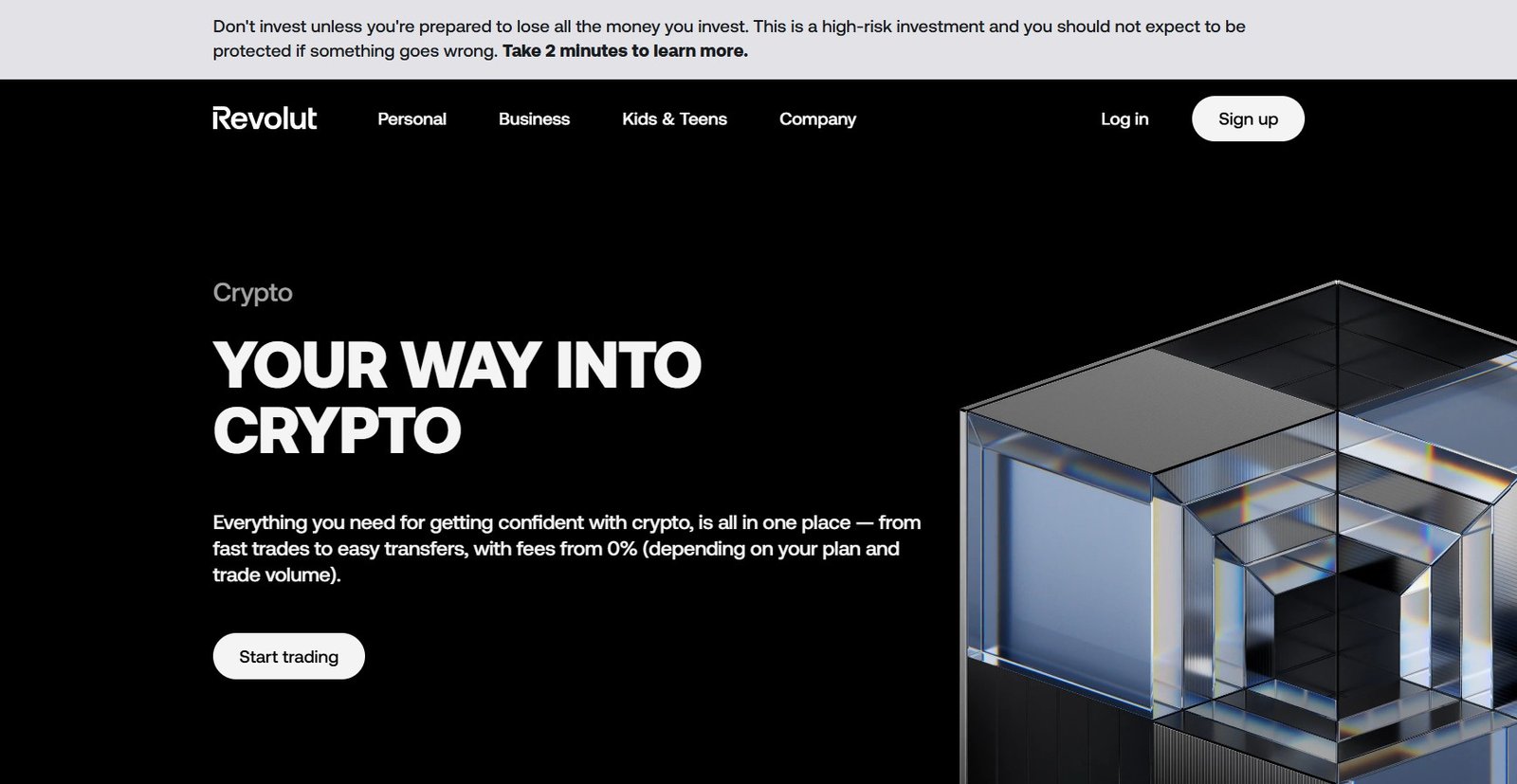
This article provides a comprehensive Revolut review addressing concerns around the platform, including the Revolut scam rumors circulating in crypto communities. Revolut, originally a digital banking and financial app based in the UK, has expanded into cryptocurrency trading, allowing users to buy, sell, and hold digital coins. Despite its regulated status, Canadians have expressed caution about potential online scams Canada when using Revolut’s crypto services, making it essential to evaluate the platform carefully.
Revolut: Regulation & Legal Status
Revolut operates under UK regulation as an electronic money institution authorized by the Financial Conduct Authority (FCA). This offers some consumer protections, although cryptocurrency holdings themselves are not classified as regulated financial products in most jurisdictions, including Canada. Understanding the limits of crypto regulation is vital for anyone concerned about investment scams Canada or online fraud Canada.
Unlike some crypto platforms, Revolut does not falsely claim top-tier broker licenses such as ASIC or CySEC. For Canadians who want to stay vigilant, resources like learning how to spot a scam broker before it’s too late can be valuable for avoiding trading scams Canada. Even with proper licensing, some users continue to question if Revolut is a scam due to complaints about customer service and withdrawal restrictions.
Trading Conditions & Platform Analysis of Revolut
Revolut offers a simplified crypto trading experience without margin trading, leverage, or spreads typical of forex or CFD brokers. The minimum transaction amount is generally low, making it accessible for beginners. However, users only have crypto “exposure” within Revolut and cannot transfer holdings to external wallets, which may be restrictive for experienced traders.
The platform does not support MT4 or MT5 trading platforms, and there are no decentralized exchange features. Canadians should understand what to check before signing up with a trading platform, as these limitations could indicate potential risks similar to trading platform scam Canada cases.

Reputation & User Reviews About Revolut
Revolut has millions of global users, with generally positive feedback for its fintech offerings. Cryptocurrency users, however, report mixed experiences. Common issues include delayed transaction processing, withdrawal difficulties, and unresponsive customer support. Review platforms like Trustpilot contain a mix of genuine and potentially manipulated testimonials, highlighting the importance of careful evaluation for Canadians investigating broker scam reviews Canada.
Website traffic and app adoption are strong, but popularity does not guarantee flawless crypto service. Canadians concerned about financial fraud Canada or online fraud Canada should weigh community feedback carefully before committing funds.
How to Test Whether Revolut Is a Scam
To evaluate Revolut’s legitimacy:
- Verify licenses: Check official authorities such as the SEC or FCA.
- Watch for red flags: Poor transparency regarding crypto custody or vague terms.
- Review user feedback: Check complaints on forums or review platforms for withdrawal or service issues.
- Test small transactions: Use minimal amounts to understand the operational reliability of the platform.
- Scrutinize withdrawal policies: Hidden fees or restrictions may indicate risk.
- Avoid guarantees: No platform can promise risk-free profits.
For additional protection, report suspicious activity via the FTC fraud reporting portal or consult How to Get My Money Back from a Scam to recover lost funds. Canadians can also benefit from tools like EvenInsight safety checker for Revolut to verify platform reliability.
Final Verdict & Alternatives
Revolut is a regulated fintech platform offering legitimate crypto trading services, but limitations such as lack of blockchain wallet control and occasional customer service complaints warrant consideration. For Canadians concerned about online fraud Canada or trading scams Canada, it is important to weigh these limitations against your investment needs.
Safer alternatives include regulated exchanges like Coinbase, Kraken, or Binance, which provide broader crypto services and wallet control. Always prioritize fully licensed and transparent platforms to protect your assets and reduce exposure to financial fraud Canada.